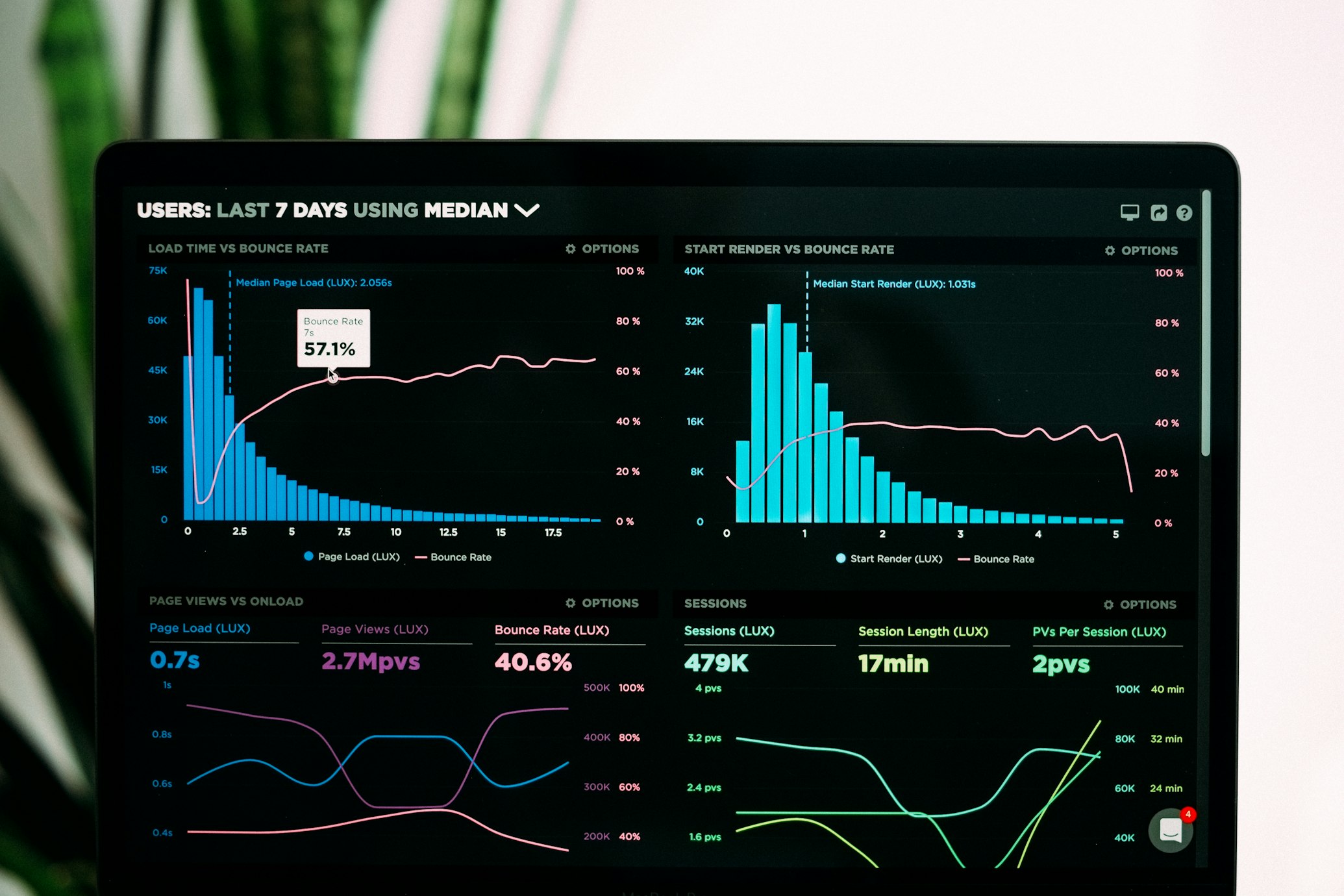
Enterprise Predictive Analytics Platform
Building a 0-1 predictive maintenance platform for manufacturing giants using IoT data and deep learning.
Role
Lead Product Manager
Timeline
18 Months
Team
5 ML Engineers, 3 Backend, 2 Frontend, 1 Designer
Context & Problem
The Context
At IndustrialAI, we noticed that manufacturing clients were losing millions due to unplanned downtime. The existing solutions were rule-based and reactive.
The Problem
Manufacturers lacked real-time visibility into machine health. Downtime costs averaged $260k/hour. Existing tools generated too many false positives, leading to alert fatigue.
Opportunity & Vision
"To create an autonomous 'immune system' for factories that predicts failures before they happen and prescribes the optimal maintenance window."
Data & AI Opportunities
Leveraging time-series data from IoT sensors (vibration, temperature, acoustic) to detect anomalies using Autoencoders and predict RUL (Remaining Useful Life) using LSTMs.
System Architecture
We built a scalable pipeline using Kafka for ingestion, Spark for processing, and a microservices architecture for the serving layer. Models were versioned using MLflow.
Data Ingestion
Kafka / IoT Sensors
AI Processing
TensorFlow / Spark
API Layer
FastAPI / GraphQL
Client App
React / Mobile
Tradeoffs & Prioritization
We chose to prioritize precision over recall initially to build trust with operators who were skeptical of AI. We also decided to build a 'Human-in-the-loop' feedback mechanism.
Execution & Collaboration
Led a cross-functional team of 5 ML engineers, 3 backend devs, and 2 designers. Adopted a dual-track agile process to manage research uncertainty alongside software delivery.
Metrics & Impact
Reduced unplanned downtime by 40% for pilot customers. Generated $5M in ARR within the first 18 months. Achieved 95% model accuracy on critical failure modes.
Reduction
In unplanned downtime
ARR
Generated in 18 months
Accuracy
On critical failure modes
Lessons Learned
"Data quality was the biggest bottleneck. If I were to do it again, I would invest earlier in automated data validation tools."